Comprehensive Eye Exams
Comprehensive eye exams help detect vision changes, eye diseases, and other health conditions, often before noticeable symptoms appear. Annual eye exams allow our professional team to identify and address change over time and provide the appropriate treatment or prescription to keep your vision clear and your eyes healthy. Comprehensive eye exams are recommended for children, adults, and seniors to maintain long-term eye health and optimal vision.
What Happens During a Comprehensive Eye Exam?
Patient History
Questions about your medical history, family eye health history, and any symptoms or concerns you may have.
Visual Acuity Test
Measures how well you see at various distances using an eye chart.
Refraction Test
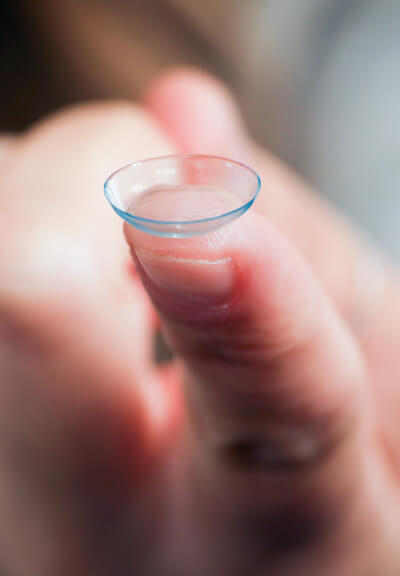
Determines your eyeglass or contact lens prescription.
Eye Movement Test
Assesses the coordination and function of your eye muscles.
Pupil Function Test
Checks how your pupils respond to light.
Slit Lamp Examination
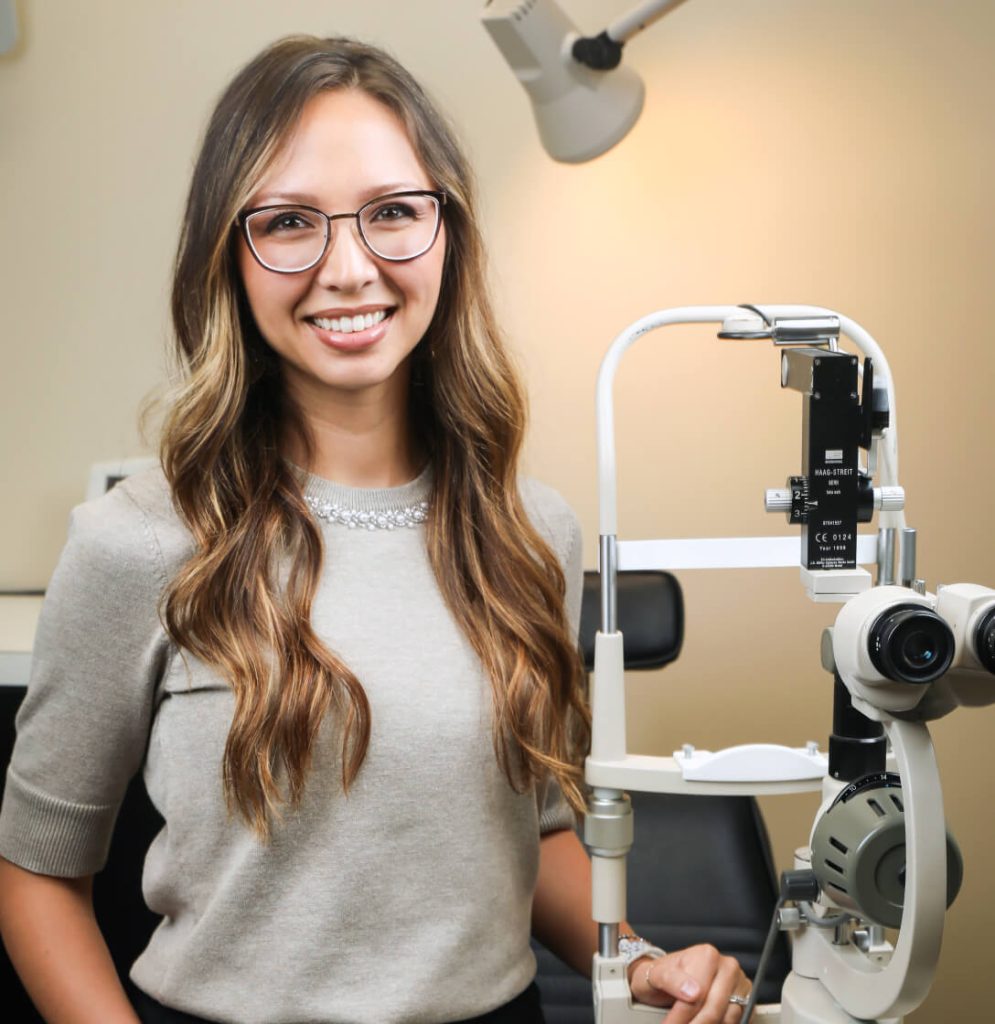
Uses a specialized microscope to examine the front parts of the eye, such as the cornea, iris, and lens.
Retinal Examination
Evaluates the back of the eye, including the retina and optic nerve, often using dilation to provide a clear view.
Intraocular Pressure Measurement
Checks for glaucoma by measuring the pressure inside the eye.
Additional Tests
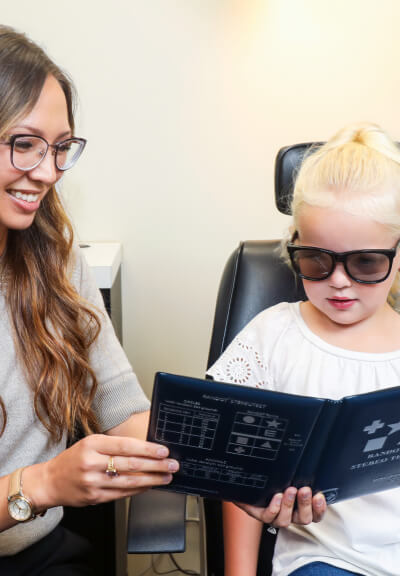
Depending on your needs, tests like color vision screening, depth perception assessment, or visual field testing may be included.
Reasons to Get a Comprehensive Eye Exam
Detect Vision Problems Early
Identify issues like nearsightedness, farsightedness, or astigmatism and address them with corrective lenses.
Prevent Eye Diseases
Catch conditions like glaucoma, cataracts, and macular degeneration before they progress.
Monitor Overall Health
Eye exams can reveal signs of systemic conditions like diabetes, hypertension, and high cholesterol.
Support Children’s Development
Ensure children’s vision supports their learning and development, as many school activities rely on good eyesight.
Protect Aging Eyes
As you age, you’re more prone to eye conditions; regular exams help maintain your vision and quality of life.
Identify Subtle Changes
Some eye conditions progress without noticeable symptoms, making regular exams critical for early detection.
Update Prescriptions
Keep your eyewear prescription accurate to avoid strain, headaches, or blurry vision.
Regular Checkups are the Key to Optimal Health
For optimal eye health, adults should have an eye exam at least every 1-2 years, depending on age, risk factors, and whether corrective lenses are worn. Regular checkups not only preserve your vision but also contribute to your overall well-being.
Schedule an Eye Exam
Ready to protect your vision? Schedule a comprehensive eye exam and let us help you maintain healthy eyesight for years to come.